Keeping MEP works safe: A look at site safety in real-world projects
When it comes to design & build and fit-out projects, mechanical, electrical and plumbing (MEP) works are at the heart of making a space functional. From lighting and air conditioning to water supply and fire safety, MEP systems bring life to buildings. Yet, because of their complexity, they also come with some of the highest safety risks on site.
For interior fit-out companies in the UAE, prioritising MEP site safety is not just about compliance. It’s about ensuring smooth project delivery, protecting teams, and building trust with clients.
Why MEP site safety matters
Unlike finishes or furniture installation, MEP works often involve working with electricity, high-voltage systems, pressurised water lines, and heavy equipment. Poor safety practices can cause delays, damage expensive materials, or worse, put lives at risk.
In a fast-moving fit-out market like Dubai and Abu Dhabi, accidents not only affect the project timeline but can also harm a company’s reputation. This is why experienced MEP contractors build safety into every stage of their process.
Safety starts with planning
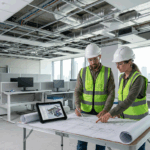
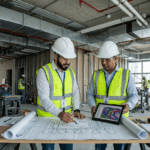
Before a single tool is picked up, safety starts at the planning stage. Clear method statements, risk assessments, and coordination meetings help identify potential hazards before they happen. For example, ensuring that electrical installation does not clash with HVAC ducting or that plumbing lines are properly routed avoids future rework and risks.
On many UAE sites, MEP solutions providers work closely with fit-out contractors and interior design teams to ensure drawings are coordinated. This reduces last-minute changes on site, where safety standards are more likely to be compromised.
Training and supervision on site
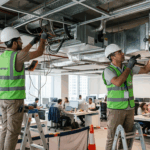
Real-world safety comes down to the people on site. Trained and certified workers, combined with proper supervision, make the biggest difference. Whether it’s wearing personal protective equipment (PPE), handling live wires, or lifting heavy pipes, every task has its own set of safety practices.
Good contractors in the UAE also conduct toolbox talks before shifts, reminding teams about specific risks for the day. These short sessions build awareness and help prevent avoidable mistakes.
Tools, materials and testing
Safe MEP works also depend on the quality of tools and materials. Using approved materials that meet UAE standards ensures systems don’t fail later. Tools like insulated gloves, voltage testers, and harnesses are not optional extras—they are essential to keeping teams safe.
Once installation is complete, thorough testing and commissioning take place. This is not just to check that systems are working but also to make sure they are safe for long-term use. Fire alarms, emergency lighting, and HVAC systems all undergo strict inspections before being handed over.
Real-world examples from UAE projects
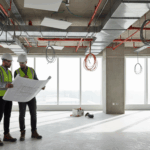
On many fit-out projects in Dubai, safety officers carry out routine site walks to identify risks in real time. For example, ensuring electrical panels are covered, preventing unauthorised access to switch rooms, or checking that scaffolding is secure for overhead ducting work.
Another example is during large office fit-outs, where multiple trades work side by side. Here, MEP contractors often phase their work carefully, reducing overlap and avoiding unsafe crowding of teams in one area.
The bigger picture
Safety in MEP works is not just about ticking boxes. It’s about creating a culture where every team member understands the importance of doing things right. This culture ensures projects finish on time, within budget, and with systems that perform reliably for years to come.
At Elements White Box & MEP Solutions, safety is central to every project we deliver. From planning through to handover, we make sure our teams, partners, and clients can count on a safe and smooth process.
Let’s start with your workspace design and get the right first impression—with safety at the heart of every detail.
What are the main safety risks in MEP works?
How do contractors ensure MEP site safety in the UAE?
Why is testing and commissioning important for MEP safety?
What role do fit-out companies play in MEP safety?
How does MEP site safety impact project delivery?
Recent Posts