How early MEP planning helps commercial fit-out projects
In commercial fit-out projects, time, cost, and quality are all influenced by the way mechanical, electrical, and plumbing systems are planned. Starting MEP planning early in the project lifecycle can prevent many common challenges that slow down interior fit-outs and increase costs.
For interior fit-out companies in the UAE, early MEP planning is more than a technical step—it’s a strategic approach to ensure that the workspace is functional, compliant, and delivered on schedule. At Elements Whitebox and MEP Solutions, we see how early coordination between MEP engineers and fit-out teams leads to smoother, more predictable projects.
1. Avoiding design clashes
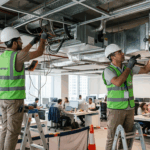
One of the biggest issues in commercial fit-outs is service clashes. Ducts, pipes, cable trays, and conduits often interfere with ceilings, partitions, and joinery when MEP systems are designed late in the process.
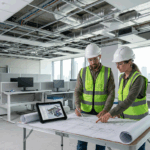
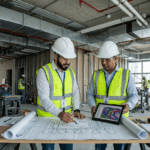
Early MEP planning allows engineers to map out routes in advance and coordinate with interior designers. This prevents last-minute changes that can delay construction and increase costs.
2. Reducing project risks
Early planning identifies potential issues before they reach the site. Load calculations, zoning requirements, and access points can be resolved at the design stage rather than during installation.
Addressing these issues early reduces the risk of rework, site conflicts, and compliance delays. This is particularly important in UAE projects where local regulations for DEWA, Dubai Municipality, and Civil Defence must be met.
3. Improving scheduling and timelines
When MEP systems are planned early, project schedules become more reliable. Fit-out contractors know when services will be installed and can plan partitions, finishes, and furniture installations accordingly.
Early planning also allows phased work, where MEP rough-ins can be completed while other teams work on structural or interior tasks. This keeps projects moving efficiently without idle periods.
4. Enhancing energy efficiency and sustainability
Modern commercial projects increasingly demand energy-efficient systems. Early MEP planning ensures that HVAC, lighting, and plumbing systems are optimised for performance and sustainability.
Design choices, such as efficient duct layouts, lighting control systems, or low-flow plumbing, can be incorporated from the start. This reduces energy costs and supports green building initiatives in the UAE.
5. Simplifying handovers and maintenance
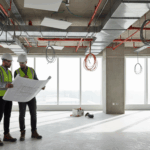
Early MEP planning produces detailed drawings, documentation, and tested systems ready for handover. This makes it easier for interior teams to understand system locations, access points, and controls.
It also supports future maintenance, as systems are installed with serviceability in mind. Proper planning at the start reduces surprises post-handover and ensures long-term reliability.
6. Cost savings
Late MEP changes often lead to variations, additional materials, and extended labour hours. Early planning minimises these changes, keeping projects on budget.
By resolving design challenges upfront, fit-out teams can focus on finishes and interiors rather than dealing with unexpected MEP problems.
Early MEP planning is essential for successful commercial fit-out projects. It prevents clashes, reduces risk, improves scheduling, supports sustainability, and lowers costs. For UAE interior fit-out teams, engaging MEP specialists early in the process ensures that projects run smoothly and efficiently from start to finish.
At Elements Whitebox and MEP Solutions, we work closely with fit-out teams to integrate MEP systems into the project from day one, ensuring compliance, efficiency, and predictability for every commercial project.
Why is early MEP planning important in commercial fit-outs?
How does early planning affect project timelines?
Can early MEP planning save costs?
Recent Posts